Every player meets a wall at some point. Your rank will not move. Your aim feels frozen. Your decision making looks fine in your head but collapses the moment a real fight starts. You watch streamers and wonder how they make everything look so easy.
Being stuck does not mean you are bad. It simply means you reached the limit of what your current habits can teach you. You can grind ten hours a day and still repeat the same mistakes in slightly different colors. Skycoach coaching is built for this moment. It stops the guesswork and replaces it with real, practical fixes based on your game, your role, and your habits.
This is a deep dive into the real reasons players get stuck, what coaching actually improves, and how to use coaching to finally break through.
Why Players Get Stuck
Players get stuck for predictable reasons. Not because they lack talent, but because improvement becomes nonlinear the higher you climb. You can play for years and never notice that your entire approach rests on four or five bad habits.
Here is what consistently holds players back across all major games.
• Aim plateaus
• Weak game sense
• Poor mechanical foundation
• Bad positioning
• Lack of macro knowledge
• No consistency under pressure
• Wrong warm up routines
• Tilt loops and mental fatigue
• Misreading the meta
• Playing the wrong role or wrong style
These issues appear in League of Legends, Valorant, Fortnite, Apex Legends, Rocket League, CS2, Destiny 2, and even PvE games where rotations matter more than reflexes.
Coaching fixes these one by one because it transforms vague problems into concrete steps.
What Coaching Actually Improves
Coaching is not someone telling you to shoot straighter or rotate faster. It is a structured, targeted process that reveals the parts of your gameplay you never saw.
Below are the verified, real coaching topics common across Skycoach, ProGuides, and community veteran coaching programs.
Aim Training That Matches Real Matches
Aim is not one thing. Aim is a cluster of micro skills:
• Crosshair placement
• First shot timing
• Tracking
• Flick control
• Movement discipline
• Recoil management
• Angle theory
• Peek timing
In shooters like Valorant, Apex, CS2, Fortnite and Warzone, coaching identifies which of these pieces you lack.
Example:
A Valorant coach notices your crosshair sits too low and too centered. You do not need more time in aim trainers. You need better pre aiming habits. Once that is fixed, your aim suddenly feels sharper without grinding for hours.
Coaching replaces random practice with targeted improvement.
Game Sense That Makes the Match Slower
Game sense is your invisible radar. It tells you when to push, when to hold, when to rotate, and when something feels wrong.
Game sense comes from thousands of small inputs that the brain usually ignores. A coach helps you see them.
Example:
In Fortnite, fights last too long because you engage at bad times. The coach pauses a replay and explains storm timing, mobility tools, and player density. Suddenly you understand when fights are safe.
This makes every match feel slower and more readable.
Mechanical Skills That Create Consistency
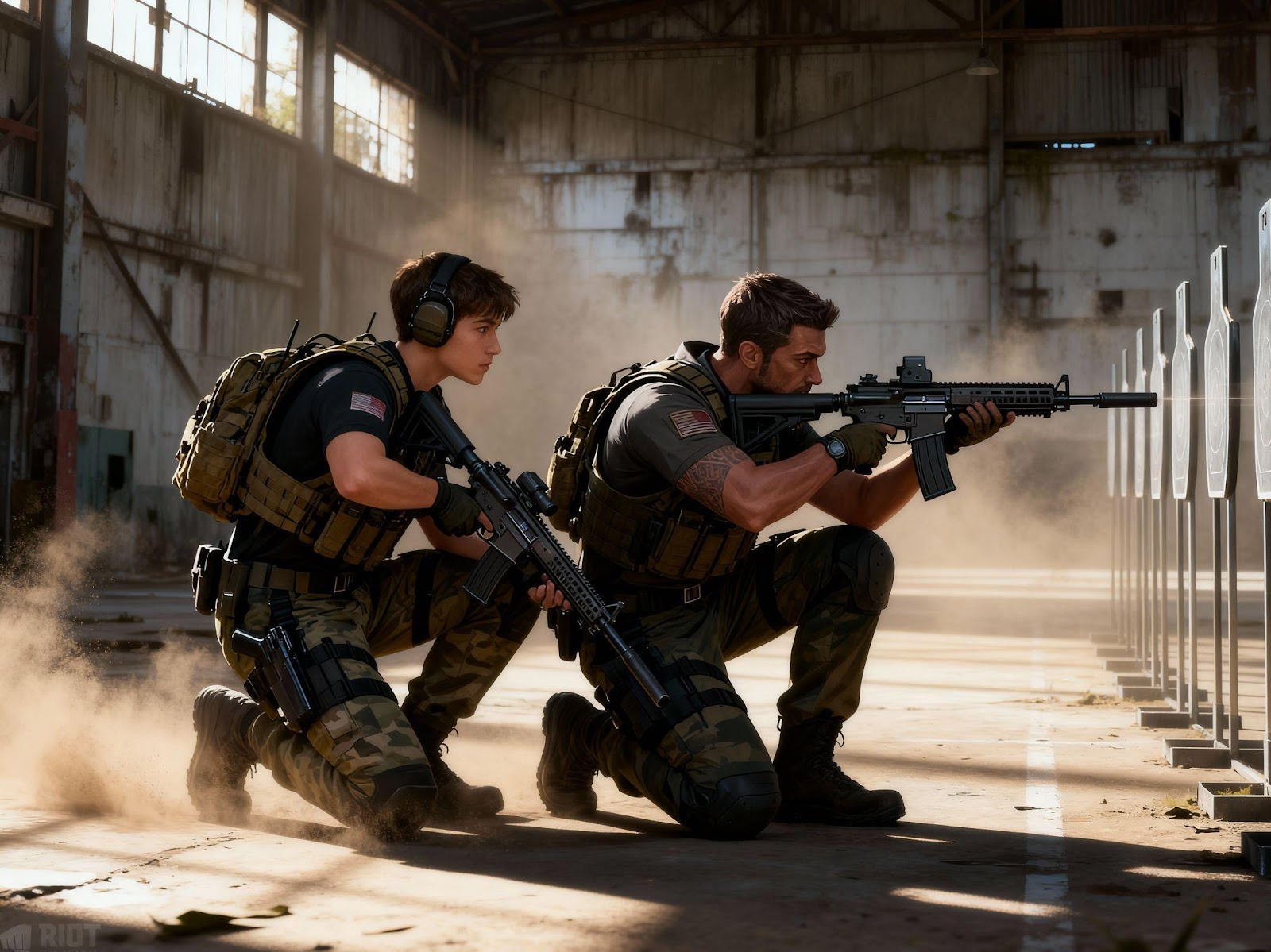
Mechanical skill is the physical side of gameplay:
• Building and editing speed in Fortnite
• Strafing and slide control in Apex
• Recoil resets in CS2
• Car control in Rocket League
• Combos and resets in fighting games
• Wave control in League of Legends
Mechanics improve fastest when broken into tiny, specific drills. Coaches show you the correct order and timing of those drills so you stop training blindly.
Apex example: mastering superglide timing is pointless if your basic slide rhythm is inconsistent. A coach identifies the missing layer and fixes it.
Positioning That Decides Fights Before They Start
Positioning is the least discussed yet most important skill in modern games. Poor positioning creates most deaths players blame on aim.
Coaching teaches positioning principles like:
• Cover discipline
• Safe peeks
• Light and heavy pressure zones
• Off angle theory
• Height control
• Escape routes
• Third party timing
Example:
In League, you might stand too close as an ADC. A coach teaches triangle positioning and front to back fighting. In CS2, they teach how to slice the pie when clearing corners. In Fortnite, they teach how to layer height to avoid being beamed.
Macro Versus Micro Understanding
Micro is execution. Macro is your plan. Most players are good at one and weak at the other.
Macro coaching covers:
• Objective timing
• Lane or zone control
• Power spikes
• Tempo
• Rotations
• Resource management
• Win condition reading
Example:
League macro is often misunderstood as roaming more. A coach teaches you when to trade waves, when to reset, when to pressure plates, and how your role affects the map.
Consistency Under Pressure
Your skill in practice is not your skill in ranked. Coaching helps you build routines that keep your brain calm and consistent, not anxious and chaotic.
You learn:
• Pre match rituals
• Mental reset tools
• Tilt control
• Loss recovery patterns
• Between match breathing
• Moment to moment focus training
This is a real reason pros stay steady and casual players collapse.
Meta Understanding
The meta changes every season. Skill is timeless. Builds and strategies are seasonal. Coaching prevents you from wasting time on outdated ideas.
Examples:
• Fortnite loot pool changes
• Valorant ability economy shifts
• League patch notes affecting power spikes
A coach filters out the noise so you know exactly what matters.
Role and Playstyle Calibration
Often players are stuck because they are in the wrong role. Coaches help you:
• Identify strengths
• Choose a role that matches your style
• Build comfort picks
• Develop personal play patterns
League example: a passive ADC player might thrive as a control mage. A hyper aggressive initiator might perform better as a duelist jungler.
When Should You Get Coaching
Coaching is most effective at three key moments.
When You Are Hard Stuck
Your rank stopped moving. You win one, lose one. You feel inconsistent.
This is the classic coaching moment.
When You Come Back After a Break
Games age quickly. Meta shifts create confusion. One coaching session replaces weeks of relearning.
When You Want to Climb Faster
You have limited time. Coaching trims away the guesswork and gives you a straight line to improvement.
How Skycoach Coaching Helps
A Skycoach session starts with you choosing the amount of coaching you want, followed by a direct match with a coach who knows the current meta, the pace of the game, and the mistakes players often make without noticing. You play live while they guide you through real decisions in real time. After that, the two of you review key moments, break down the patterns behind your losses, and map out the adjustments that will bring the fastest improvement.
There is no theory overload and no vague advice. Everything happens inside matches you actually play. Coaches highlight what matters most for your style and explain why certain choices work better in the present patch than they did a season ago. You finish the session with a clear set of habits to practice, not a long to do list you will forget by tomorrow.
The strength of Skycoach’s approach is that progress becomes visible quickly. Your movement feels more deliberate. Your positioning becomes safer. Your decisions under pressure feel calmer because they finally follow a plan.
Final Thoughts
Stop looking for explanations in bad luck or unfair matchmaking. Once you focus on real improvement, you immediately move ahead of the many players who prefer to complain instead of learning.
When you are ready to break the loop, climb faster, or simply enjoy the game again without that lost feeling, Skycoach coaching becomes one of the most reliable ways to move forward.