

Smart engine rooms are no longer just steel, valves, and gauges. They now include sensors, networked controllers, and remote support tools. That connectivity can improve efficiency, but it also changes the risk picture. A small digital mistake can now affect a very physical system.
This shift matters because engine rooms run critical operations at sea and onshore. Teams must protect computers and cables, but also pumps, fuel lines, and rotating machinery. The good news is that practical controls can reduce exposure without slowing work. The key is to treat digital safety and physical safety as one job.
Why connected engine rooms change security
Connectivity brings clear operational gains, but it also expands what must be protected. This section breaks down where new risks come from and how they show up in day to day work. It also shows why security steps must fit the reality of engine operations.
Where the new connections come from
Smart engine rooms often connect equipment that used to stay isolated. Condition monitoring systems collect vibration, temperature, and pressure data. Remote access can help specialists troubleshoot without traveling. As a result, more devices now share data across ship networks and shore links.
These connections often sit inside operational technology, meaning the computers that run machinery. In marine engine maintenance and monitoring, specialists such as Chris Marine often support operators with tools and diagnostics. Operational technology values uptime and steady control, but it may use older protocols and long service lifecycles. That mix can leave gaps if teams treat it like a normal office network.
Suppliers also play a bigger role once remote diagnostics becomes normal. Some operators rely on vendor portals, service laptops, and software updates. For example, a specialist vendor may provide maintenance equipment and monitoring systems for ships and power plants. That type of ecosystem works best when access, updates, and data handling follow clear rules.
A clear boundary helps reduce surprises. When the boundary stays fuzzy, teams struggle to know what is inside scope during an incident. Clarity also speeds up decision making during a machinery alarm. In the end, the goal is safe operation, not perfect digital hygiene.
What attackers look for in engine systems
Threats in smart engine rooms often start with simple entry points. A reused password on a service account can open a door and an unpatched workstation can expose a weak spot. Routine configuration reviews help reduce exposure. For additional technical guidance, see the CISA advisory. A USB drive used for logs can also bring in unwanted code. Regularly updating device firmware and restricting removable media use adds protection.
Remote access deserves special attention because it is both useful and risky. It can shorten repair times and reduce downtime. On the other hand, it can also bypass local checks if it is not tightly controlled. Strong authentication and clear approvals can keep remote work safe.
Data flows also create value and risk at the same time. Telemetry data supports maintenance planning and performance tuning. If someone tampers with that data, teams may chase the wrong fault. Bad data can be as dangerous as a bad part.
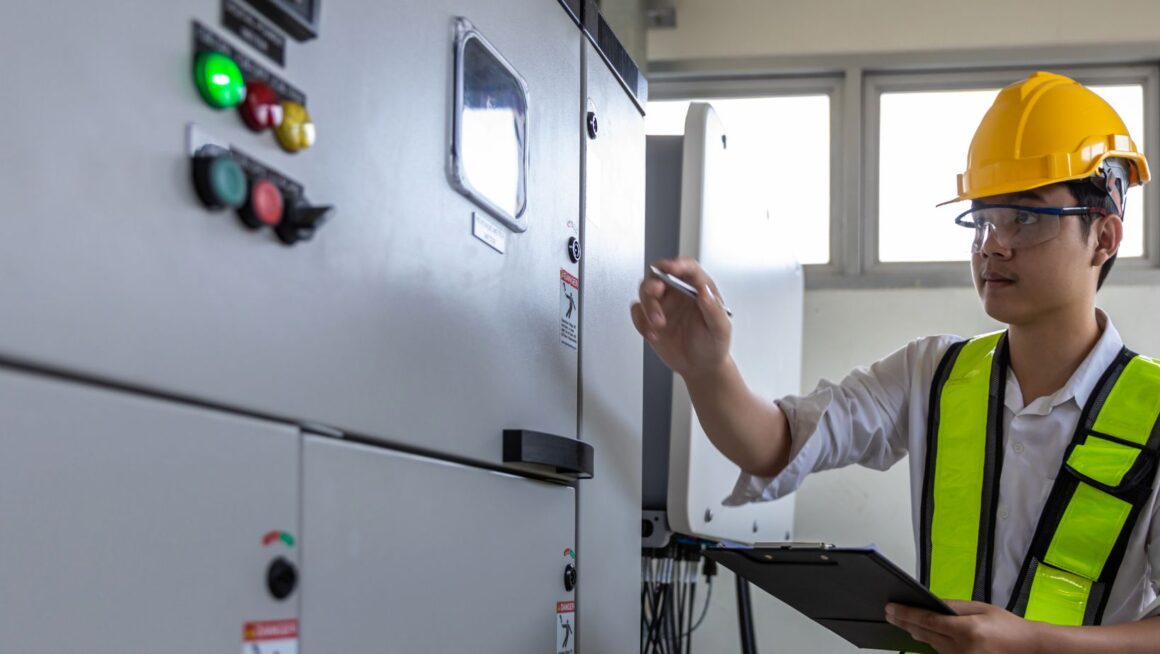
Physical access still matters, even in a digital story. Many control cabinets sit in spaces that multiple teams enter. A locked door and a sign-in sheet can prevent casual access. Those simple controls often stop the easiest attacks.
How cyber issues become real-world hazards
In an engine room, the impact of a cyber event rarely stays on a screen. A change in a controller setting can alter fuel delivery. A blocked sensor reading can hide a rising temperature. A delayed alarm can slow a response during a critical moment.
Safety systems provide important protection, but they are not a reason to ignore security. Some safety logic depends on correct inputs and reliable communications. If those inputs become unreliable, the safety layer may trigger at the wrong time. False trips can also create their own hazards during maneuvers.
A practical approach starts with design and continues through daily routines. Teams can reduce blast radius by separating networks and limiting trust between devices. They can also verify critical readings with independent checks during abnormal conditions. These habits build resilience without adding heavy process.
The most effective plans match the operating environment. Engine rooms need controls that work during noise, heat, and time pressure. When security supports operations, crews are more likely to follow it. That alignment keeps both systems and people safer.
A simple control checklist that works: This sub section turns security ideas into concrete actions. It focuses on steps that ship operators and shore teams can actually maintain. It also points to guidance that supports a consistent baseline.
Start by defining what must stay running, even during an incident. Then map which devices can talk to each other and why. After that, apply controls that reduce unnecessary paths and raise the effort needed to misuse access.
- Segment the network so monitoring systems cannot directly change control settings without approval.
- Use strong login controls for remote access, including multi factor authentication when possible.
- Keep an asset list of controllers, workstations, and software versions, then patch on a planned cycle.
- Restrict portable media use and scan files before they enter operational technology systems.
- Log key events and review them, so unusual access patterns get attention early.
- Treat digital alarms as safety signals, then verify them with trusted physical checks.
- Build vendor access rules into contracts and work permits, not informal messages.
- Review the control checklist after each major upgrade or incident, then adjust it.
Good checklists should align with trusted public guidance. Many teams reference CISA industrial control systems guidance when shaping policies and training. That kind of baseline helps different parties coordinate during upgrades and incidents. It also supports audits without turning daily work into paperwork.
Finally, practice the response plan in small drills. A drill can be as simple as simulating lost telemetry or a blocked remote session. These rehearsals show where the plan is confusing or slow. A calm practice run often prevents panic later.
Keeping smart engine rooms resilient
Cyber-physical security works best when it becomes part of normal maintenance culture. That means designing systems for safe failure, not just fast performance. It also means giving crews clear rules they can follow under pressure. When teams treat security like seamanship, it becomes steady and repeatable.
Progress does not require a massive program all at once. Small steps like network separation, controlled remote access, and disciplined patching add up quickly. Clear roles also help, so crews know who can approve changes and who can isolate a segment. Over time, these habits reduce both downtime and uncertainty. Resilient smart engine rooms come from clear boundaries, simple controls, and practiced response.