
Do daily tasks in a restaurant feel like they could flow a little better with the right digital support?
Many restaurant teams are using technology to save time, keep service smooth, and help staff stay focused on guests. From faster order taking to clearer kitchen communication, the right tools can make everyday work feel more organized and more comfortable.
Technology in restaurants is not only about speed. It also supports consistency, teamwork, planning, and service quality.
When tools are easy to use and fit naturally into daily routines, they help staff work with more confidence and help managers stay informed without adding extra effort.
Smarter Front-Of-House Operations
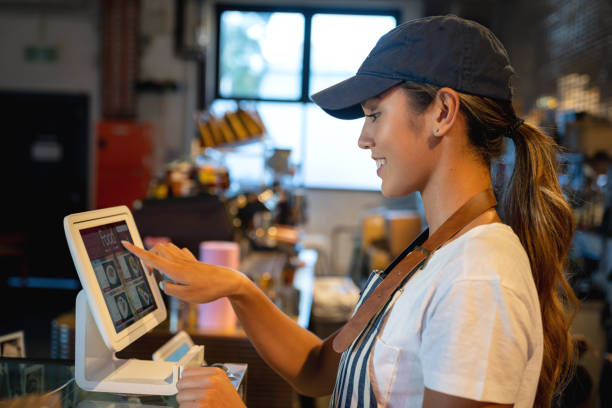
The front of house sets the tone for the guest experience. Simple digital tools can help staff take orders, manage tables, and process payments with better flow. These small changes can support a more relaxed and organized service style.
1. Use a Cloud-Based POS For Flexible Order Management
A cloud based pos helps staff take and manage orders from a central system that stays updated in real time. This can support smoother communication between the dining area, the kitchen, and the payment station.
It also gives managers access to menu updates, sales information, and daily activity from one place. That kind of visibility helps teams stay aligned during busy meal periods.
2. Choose A Restaurant POS System That Supports Daily Workflow
A reliable restaurant pos system can help with order entry, menu changes, table tracking, and payment handling. When everything is connected in one system, staff can move through service with fewer steps.
This also helps new team members learn daily tasks more comfortably. A clear layout and easy controls can make training feel lighter and more practical.
3. Add Tableside Ordering For Faster Service
Mobile ordering tools let team members take orders at the table and send them directly to the kitchen. This helps keep the process moving and gives guests a more attentive experience.
It can also support order accuracy, since staff can enter guest choices right away. That direct flow can make service feel more polished from start to finish.
4. Offer Digital Payment Options
Digital payment tools can make checkout simple for both guests and staff. Card taps, mobile payments, and contact-free options help create a quick and comfortable finish to the meal.
5. Use Kitchen Display System Hardware For Clearer Communication
The kitchen display system hardware can help kitchen teams view incoming orders in a clean and organized way. Instead of relying only on printed tickets, staff can follow a digital queue that updates instantly.
This makes it easier to keep pace with incoming orders and track progress station by station. It also supports a tidy and well-structured kitchen environment.
6. Connect Inventory Tracking With Sales Data
When inventory tools work alongside the POS, restaurants can keep a closer eye on stock movement throughout the day. This supports smarter planning for ingredients, menu timing, and purchasing.
With better visibility, teams can stay prepared and make more informed choices about what they need. That can help daily operations feel steadier and more predictable.
7. Use Staff Scheduling Software
Scheduling tools can simplify shift planning and help managers organize team coverage more efficiently. Staff can check hours, view updates, and stay informed through one shared system.
8. Keep Team Communication In One Place
Messaging apps and internal communication platforms can help managers share updates, task lists, and shift notes in one clear space. This makes it easier for everyone to stay informed.
Short updates, checklists, and reminders can support a more connected team culture. When communication feels clear, daily work often feels lighter too.
9. Review Real-Time Reports Daily
Real-time reports help managers understand sales activity, peak hours, and menu performance as the day moves along. This makes it easier to plan staffing, monitor service flow, and spot useful patterns.
A short daily review can support better decisions without taking much time. Over time, these small check-ins can help teams stay more focused and organized.
10. Use Online Ordering Tools
Online ordering gives guests another simple way to place an order and enjoy their meal with convenience. For restaurant teams, it creates a steady digital path from the guest to the kitchen.
When online ordering connects with in-house systems, the process feels more coordinated. Orders can move directly into the workflow, helping staff handle them with clarity.
11. Build A Simple Loyalty Program
Digital loyalty tools can help restaurants stay connected with returning guests warmly and practically. A points system, birthday offer, or visit-based reward can make guests feel remembered.
For restaurant teams, this kind of program also gives helpful information about guest habits and preferences. That can support more thoughtful service over time.
12. Use Guest Feedback Tools
Feedback platforms make it easy for guests to share their thoughts after a visit. Restaurants can use that input to understand what guests enjoy most and where the team is creating strong experiences.
This kind of feedback can support staff growth, menu planning, and service style. Even a few simple comments can help a restaurant stay in tune with guest expectations.
Bring Systems Together For A More Connected Operation
Restaurants often use several digital tools each day. When these systems work together, the whole operation can feel more organized. Orders, payments, kitchen activity, staff scheduling, and reports all support one another.